Restorative Dentistry for Seniors: Regain Function and Comfort
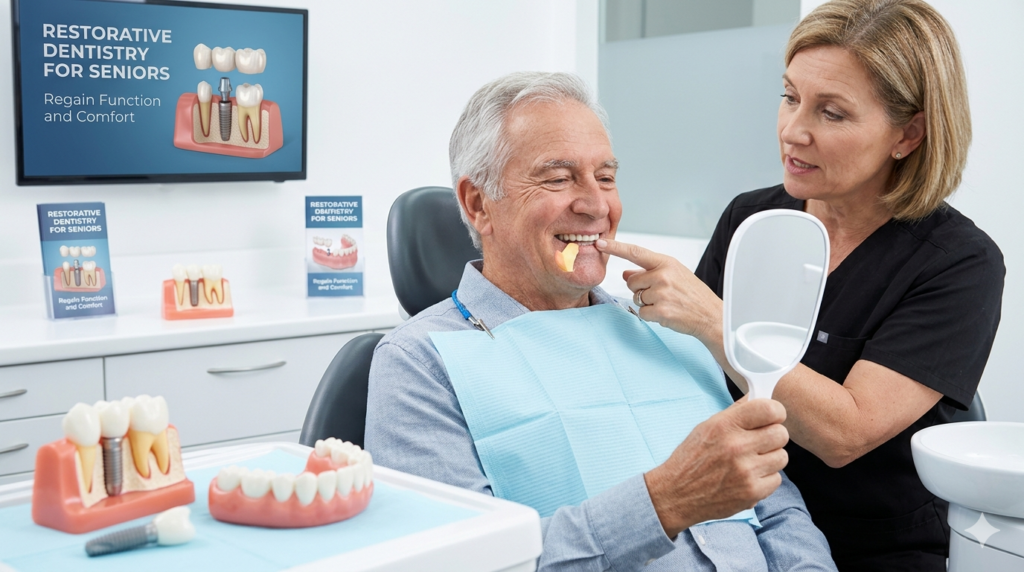
As we age, maintaining good oral health becomes increasingly important for overall well-being and quality of life. Unfortunately, many seniors experience dental issues such as tooth decay, gum disease, worn teeth, or tooth loss that can make everyday activities like eating and speaking more difficult. These problems can also affect confidence, comfort, and long-term health. Fortunately, restorative dentistry offers effective solutions designed to repair damaged teeth, replace missing teeth, and restore oral function. At Charlesworth Dental Clinic, we are committed to helping seniors enjoy healthier smiles, greater comfort, and improved quality of life through personalized restorative dental care. What Is Restorative Dentistry? Restorative dentistry focuses on diagnosing and treating dental problems that affect the function and structure of the teeth and gums. The goal is to restore the health, strength, and appearance of the smile while helping patients maintain proper oral function. Restorative treatments can address issues such as: Missing teeth Tooth decay Broken or cracked teeth Worn-down teeth Dental infections Difficulty chewing or speaking Modern restorative dentistry combines advanced technology with natural-looking materials to create comfortable and long-lasting results. Why Restorative Dentistry Is Important for Seniors Oral health challenges become more common with age. Years of wear and tear, medical conditions, medications, and changes in gum health can all contribute to dental problems. Untreated dental issues can lead to: Difficulty eating nutritious foods Speech problems Jaw pain Bone loss Reduced confidence Increased risk of further oral health complications Restorative dentistry helps seniors maintain oral function, improve comfort, and continue enjoying daily activities without discomfort or embarrassment. Common Restorative Dental Treatments for Seniors Dental Crowns Dental crowns are custom-made caps placed over damaged or weakened teeth. They restore the tooth’s strength, shape, and appearance while protecting it from further damage. Crowns are often recommended for seniors with: Large fillings Cracked teeth Worn-down teeth Teeth weakened by root canal treatment Modern crowns are designed to look natural and blend seamlessly with surrounding teeth. Dental Bridges Dental bridges replace one or more missing teeth by using neighboring teeth or dental implants for support. Bridges can help seniors: Restore chewing ability Improve speech Maintain proper tooth alignment Enhance the appearance of the smile Because bridges are fixed in place, many patients find them more comfortable and stable than removable appliances. Dentures Dentures remain a popular tooth replacement option for seniors missing multiple teeth. Full dentures replace all teeth, while partial dentures fill gaps left by several missing teeth. Today’s dentures are more comfortable and natural-looking than older designs, helping patients regain confidence and oral function. Dental Implants Dental implants are one of the most advanced restorative solutions available. Implants replace missing tooth roots with titanium posts that support crowns, bridges, or dentures. Many seniors choose implants because they: Feel like natural teeth Provide long-term stability Improve chewing ability Help prevent jawbone loss Even older adults may qualify for implants depending on their oral health and bone condition. Root Canal Therapy When a tooth becomes infected or severely damaged, root canal therapy can often save it. During the procedure, the infected tissue inside the tooth is removed, and the tooth is sealed to prevent further infection. Saving a natural tooth whenever possible helps maintain overall oral health and bite function. Benefits of Restorative Dentistry for Seniors Improved Comfort Damaged or missing teeth can cause pain, irritation, and difficulty performing everyday tasks. Restorative treatments help relieve discomfort and improve quality of life. Better Chewing and Nutrition Seniors with missing or painful teeth may avoid healthy foods that are difficult to chew. Restorative dentistry makes eating more comfortable, supporting better nutrition and overall health. Enhanced Speech Missing teeth or poorly fitting dentures can affect speech clarity. Restorative treatments help improve pronunciation and communication. Increased Confidence A complete and healthy smile can significantly improve self-esteem and encourage seniors to smile, speak, and socialize more comfortably. Protection Against Future Problems Treating dental issues early can help prevent additional complications such as shifting teeth, jawbone deterioration, and gum disease. Factors to Consider Before Treatment Every senior patient has unique oral health needs. Before recommending restorative treatment, dentists evaluate several factors, including: Overall oral health Gum condition Bone density Existing medical conditions Medications Personal goals and lifestyle At Charlesworth Dental Clinic, we create customized treatment plans designed to meet each patient’s comfort level, health needs, and budget. Caring for Restorative Dental Work Proper oral hygiene is essential for maintaining restorative dental treatments and protecting long-term oral health. Seniors should: Brush twice daily Floss regularly Attend routine dental checkups Clean dentures properly if applicable Follow all dentist recommendations Good oral care habits help extend the life of restorative treatments and reduce the risk of future dental problems. Final Thoughts Restorative dentistry can make a meaningful difference in the lives of seniors by improving comfort, oral function, and confidence. Whether you are dealing with missing teeth, damaged teeth, or difficulty eating, modern restorative treatments offer reliable solutions designed to restore your smile and quality of life. At Charlesworth Dental Clinic, we are dedicated to providing compassionate and personalized dental care for seniors. Our experienced team works closely with each patient to develop treatment plans that support long-term oral health, comfort, and confidence. If you are interested in learning more about restorative dentistry options for seniors, contact Charlesworth Dental Clinic today to schedule a consultation.
Common Dental Emergencies and How to Handle Them
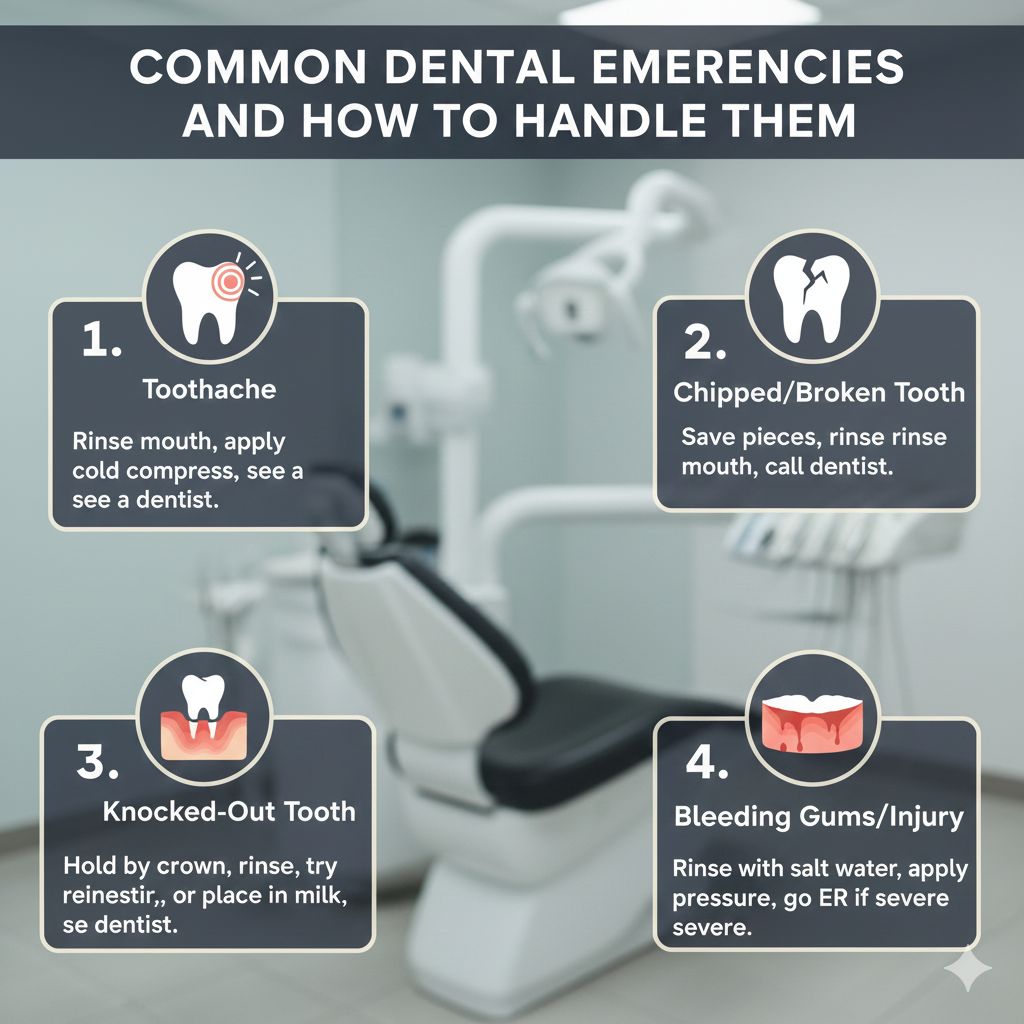
Dental emergencies can happen unexpectedly and often cause significant pain or anxiety. Knowing how to respond quickly and correctly can make a crucial difference in saving your tooth and preventing further complications. At CharlesWorth Dental Clinic, we believe that being informed and prepared helps protect your oral health when emergencies arise. Below are some of the most common dental emergencies and practical steps you can take before seeing a dentist. Severe Toothache A sudden or intense toothache is often a sign of infection, decay, or injury. Rinse your mouth gently with warm water to remove any debris, and floss carefully to ensure nothing is lodged between your teeth. Avoid placing aspirin directly on the tooth or gums, as this can cause tissue irritation. If the pain persists or worsens, contact CharlesWorth Dental Clinic promptly for professional evaluation and treatment. Knocked-Out Tooth A knocked-out (avulsed) tooth requires immediate action. If possible, pick up the tooth by the crown (the top part), not the root. Rinse it gently with water if it’s dirty, but do not scrub or remove attached tissue. Try to place the tooth back into its socket, keeping it in position with gentle pressure. If that’s not possible, store the tooth in milk or saliva and seek dental care immediately. Acting within an hour greatly increases the chances of saving the tooth. Broken or Chipped Tooth Teeth can break or chip due to accidents, falls, or biting on hard objects. Rinse your mouth with warm water and apply a cold compress to reduce swelling. If there is bleeding, apply gentle pressure with clean gauze. Save any broken pieces of the tooth and bring them with you to your dental appointment. Even minor chips should be examined to prevent further damage or infection. Lost Filling or Crown Losing a filling or crown can expose the sensitive inner portion of the tooth, causing discomfort or pain. If a crown falls out, keep it safe and avoid chewing on that side of your mouth. Over-the-counter dental cement can provide temporary protection, but it is not a permanent solution. Schedule an appointment as soon as possible to restore and protect the tooth. Dental Abscess A dental abscess is a serious infection that typically appears as a painful swelling on the gums, sometimes accompanied by fever, a bad taste, or difficulty chewing. Rinse with warm salt water to help reduce discomfort, but do not attempt to drain the abscess yourself. Abscesses can spread infection to other parts of the body, making immediate dental care essential. Soft Tissue Injuries (Gums, Lips, Tongue) Cuts or tears to the gums, lips, or tongue can result from trauma or accidents. Rinse the area gently with warm water to clean it, then apply pressure with gauze or a clean cloth to stop bleeding. A cold compress can help reduce swelling. If bleeding doesn’t stop after 10–15 minutes or the injury is severe, seek professional dental or medical attention. Objects Stuck Between Teeth When food or objects become stuck between teeth, avoid using sharp tools or toothpicks, as these can damage the gums and enamel. Try gentle flossing instead. If the object cannot be removed easily, contact your dentist for assistance rather than risking injury. When Is It a True Dental Emergency? Dental emergencies usually involve severe pain, bleeding, infection, or trauma. If you’re unsure whether your situation requires urgent care, it’s always best to call your dental provider. Early intervention often prevents complications and reduces treatment time. How CharlesWorth Dental Clinic Can Help At CharlesWorth Dental Clinic, we are committed to providing prompt and compassionate emergency dental care. Our experienced team is equipped to handle a wide range of urgent dental situations using modern technology and advanced treatment techniques. We prioritize patient comfort while addressing the root cause of the problem to ensure long-term oral health. Preventing Dental Emergencies While not all emergencies can be avoided, regular dental checkups, good oral hygiene, wearing mouthguards during sports, and avoiding hard foods can significantly reduce your risk. Act Quickly to Protect Your Smile Dental emergencies shouldn’t be ignored. If you or a family member experiences sudden dental pain, injury, or swelling, contact CharlesWorth Dental Clinic right away. Timely care can relieve pain, save teeth, and restore your smile with confidence.
Top Signs You May Need Root Canal Treatment
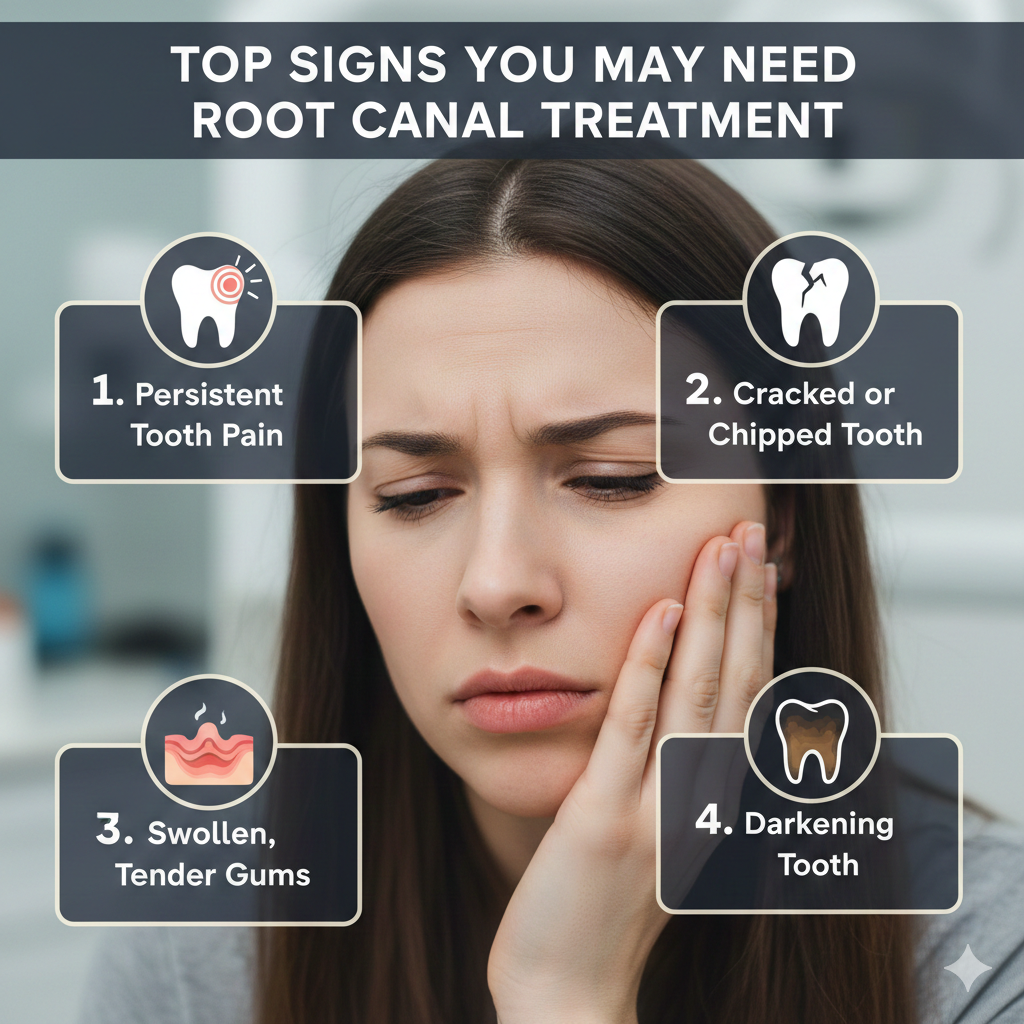
Root canal treatment has a reputation for being intimidating, but in reality, it is a highly effective procedure designed to relieve pain, save your natural tooth, and restore your oral health. At CharlesWorth Dental Clinic, we believe that understanding the warning signs early can help you seek timely care and avoid more serious dental problems. If you’re experiencing persistent tooth discomfort or unusual symptoms, your tooth may be signaling that it needs attention. Below are the top signs that may indicate you need root canal treatment. Persistent Tooth Pain Ongoing tooth pain is one of the most common signs that something is wrong beneath the surface. This pain may feel deep, throbbing, or sharp and can occur while chewing or even when you’re at rest. Unlike temporary sensitivity, persistent pain often indicates infection or inflammation of the tooth’s pulp, which contains nerves and blood vessels. If the pain doesn’t go away on its own, it’s time to see a dentist. Sensitivity to Hot and Cold If you notice lingering sensitivity after drinking hot coffee or enjoying cold foods, it could be more than just mild enamel wear. Sensitivity that lasts more than a few seconds may suggest nerve damage inside the tooth. When the pulp becomes infected, it struggles to respond normally to temperature changes, making this an early warning sign of a potential root canal need. Swollen or Tender Gums Swelling around a specific tooth can be a sign of infection spreading from the tooth root into the surrounding gum tissue. You may also notice tenderness, redness, or a small pimple-like bump on the gums, known as a dental abscess. These symptoms should never be ignored, as untreated infections can worsen and affect overall health. Tooth Discoloration A tooth that becomes grayish or darkened compared to surrounding teeth may indicate internal damage. This discoloration often occurs when the pulp tissue is dying due to trauma or infection. While external staining can usually be addressed with whitening, internal discoloration requires professional evaluation and often root canal treatment. Pain When Chewing or Touching the Tooth Discomfort when biting down or applying pressure can suggest inflammation around the tooth root. This may happen when infected pulp causes irritation in the surrounding bone and ligaments. Even mild pain while chewing should be evaluated, as it can signal deeper issues that won’t resolve on their own. Cracked or Chipped Tooth A crack or chip can expose the inner pulp of the tooth to bacteria. Even small fractures may allow infection to develop over time. If a damaged tooth becomes painful or sensitive, root canal treatment may be necessary to remove infected tissue and prevent further complications. A History of Dental Trauma Teeth that have experienced trauma—such as from a sports injury or accident—may develop pulp damage even if there’s no visible crack. In some cases, symptoms appear months or even years later. Regular dental checkups are essential to monitor previously injured teeth for signs of internal damage. Bad Taste or Persistent Bad Breath A constant unpleasant taste in your mouth or chronic bad breath can be signs of infection. When bacteria accumulate inside a tooth or abscess, they release gases and toxins that cause odor and taste issues. Root canal treatment removes the source of infection, helping restore freshness and comfort. Why Early Treatment Matters Delaying treatment can lead to increased pain, swelling, and the potential loss of the tooth. Root canal treatment not only alleviates discomfort but also preserves your natural tooth structure, helping you maintain proper chewing function and a healthy smile. How CharlesWorth Dental Clinic Can Help At CharlesWorth Dental Clinic, we use modern techniques and advanced technology to ensure root canal treatment is comfortable, precise, and effective. Our experienced dental team focuses on gentle care, clear communication, and long-term results. Many patients are surprised by how straightforward and pain-relieving the procedure actually is. When to Schedule an Appointment If you’re experiencing any of the symptoms above, don’t wait until the pain becomes unbearable. Early evaluation can make treatment simpler and more successful. Contact CharlesWorth Dental Clinic to schedule an appointment and take the first step toward protecting your smile.